Transforming healthcare by streamlining referrals.
Transforming healthcare by streamlining referrals.
Clinical Workflow Challenges
Patient Access Bottlenecks
Long waits for specialist appointments and diagnostics delay critical care and create patient anxiety.
Fragmented Workflows
Inconsistent, often manual, referral processes lead to lost information, administrative burden, and errors.
Digitization Gaps
Continued reliance on outdated, paper-based methods creates data silos and prevents a unified view of patient flow.
Uneven Resource Distribution
Difficulty balancing patient load across diverse institutions leads to overwhelmed centers and underutilized specialists.
Digitization Gaps
Continued reliance on outdated, paper-based methods creates data silos and prevents a unified view of patient flow.
Uneven Resource Distribution
Difficulty balancing patient load across diverse institutions leads to overwhelmed centers and underutilized specialists.
Clinicians deserve to focus on patients, not forms and faxes.
Clinicians deserve to focus on patients, not forms and faxes.
The Problem: Paper-heavy workflows slow care
Manual referral handling leads to wasted time, bottlenecks, and delayed care. Clinicians often re-enter information multiple times and lack referral status visibility, keeping them from patient-focused activities.
Hidden costs of paperwork: up to 50% of staff time lost to admin, error-prone processes, privacy risks and inefficiencies — from jammed fax lines to lost forms and low morale caused by burdensome tasks.
Burnout and turnover increase when administrative burden rises. Digital transformation isn’t just a tech upgrade; it’s a commitment to better care delivery and happy, supported clinicians.
Referrals by fax, email, or forms are instantly transcribed into digital, structured data. No more manual typing.
Referrals by fax, email, or forms are instantly transcribed into digital, structured data. No more manual typing.
Automatic triage & routing.
Automatic triage & routing.
Automatic triage & routing.
Digitized referrals are classified and delivered to the right clinical team, with urgent cases prioritized for swift action.
Digitized referrals are classified and delivered to the right clinical team, with urgent cases prioritized for swift action.
Referral life-cycle management.
Referral life-cycle management.
Referral life-cycle management.
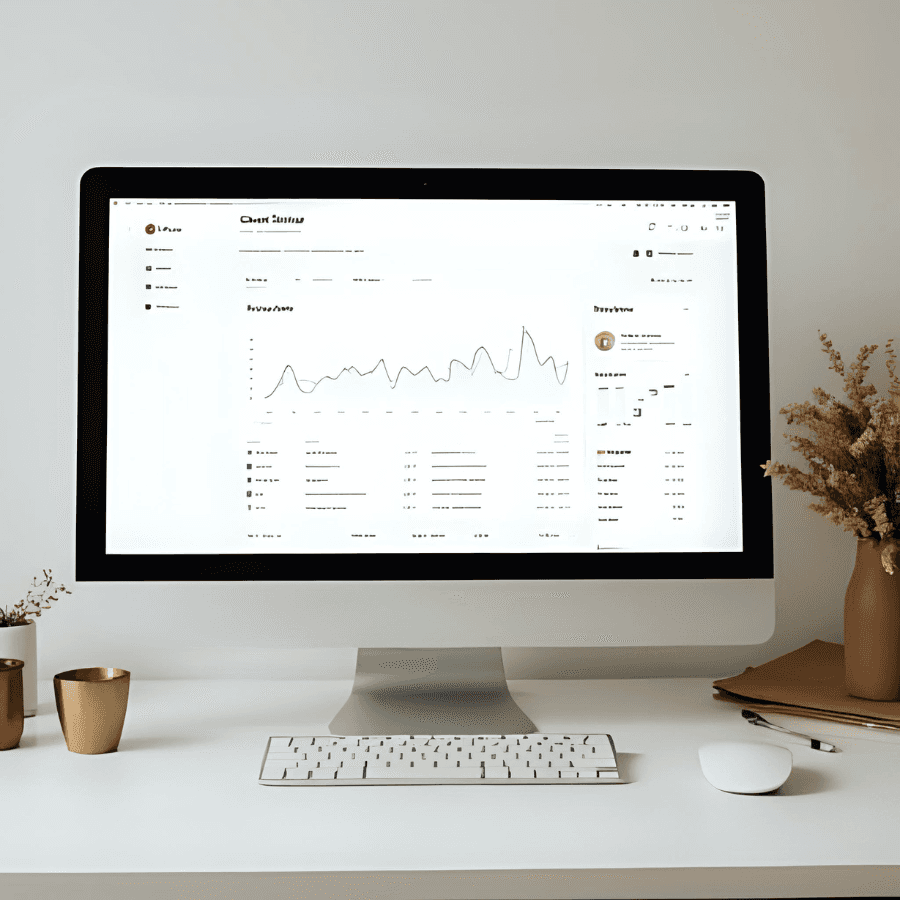
Referrals are tracked from receipt to completion, with dashboards for real-time status, pending tasks, and turnaround times.
Referrals are tracked from receipt to completion, with dashboards for real-time status, pending tasks, and turnaround times.
Closed-Loop Communication.
Stakeholders receive updates and notifications, reducing calls and faxes and improving coordination across the care team.
Stakeholders receive updates and notifications, reducing calls and faxes and improving coordination across the care team.
Stakeholders receive updates and notifications, reducing calls and faxes and improving coordination across the care team.
EHR Integration.
Standard-based integration (FHIR/HL7) ensures clinicians access referral info within existing workflows — no double entry.
The Patients-Before-Paper Impact
Faster response and referral turnaround, less admin burden, better visibility, improved compliance, and enhanced patient outcomes all result from digital, streamlined workflows.
Everyone sees status and workload, compliance is strengthened by digital records, and patient experiences are improved by more timely care.
Map your workflow.
Identify where manual paper bottlenecks remain.
Digitize documents.
Capture all incoming forms with PF 360 Capture.
Digitize documents.
Capture all incoming forms with PF 360 Capture.
Integrate.
Connect to secure, standards-based digital referral networks.
Integrate.
Connect to secure, standards-based digital referral networks.
Train and support.
Help staff adapt and show them the benefits.
Train and support.
Help staff adapt and show them the benefits.
Measure.
Use data to demonstrate time saved and improved outcomes.
How to Transition to Digital Referrals (Your Roadmap)
Digital transformation is not just a slogan — it is the path to efficient, humane care. By embracing this change, you reconnect care delivery with what matters most: patients.
With Process Fusion, your practice can transition smoothly and start seeing impact fast. Let’s put patients first — and leave paperwork behind.
Ready to streamline referrals?
Ready to streamline referrals?
Talk to us about digital transformation in healthcare.
Talk to us about digital transformation in healthcare.
Patient Access Bottlenecks
Long waits for specialist appointments and diagnostics delay critical care and create patient anxiety.
Fragmented Workflows
Inconsistent, often manual, referral processes lead to lost information, administrative burden, and errors.
Uneven Resource Distribution
Difficulty balancing patient load across diverse institutions leads to overwhelmed centers and underutilized specialists.
Digitization Gaps
Continued reliance on outdated, paper-based methods creates data silos and prevents a unified view of patient flow.